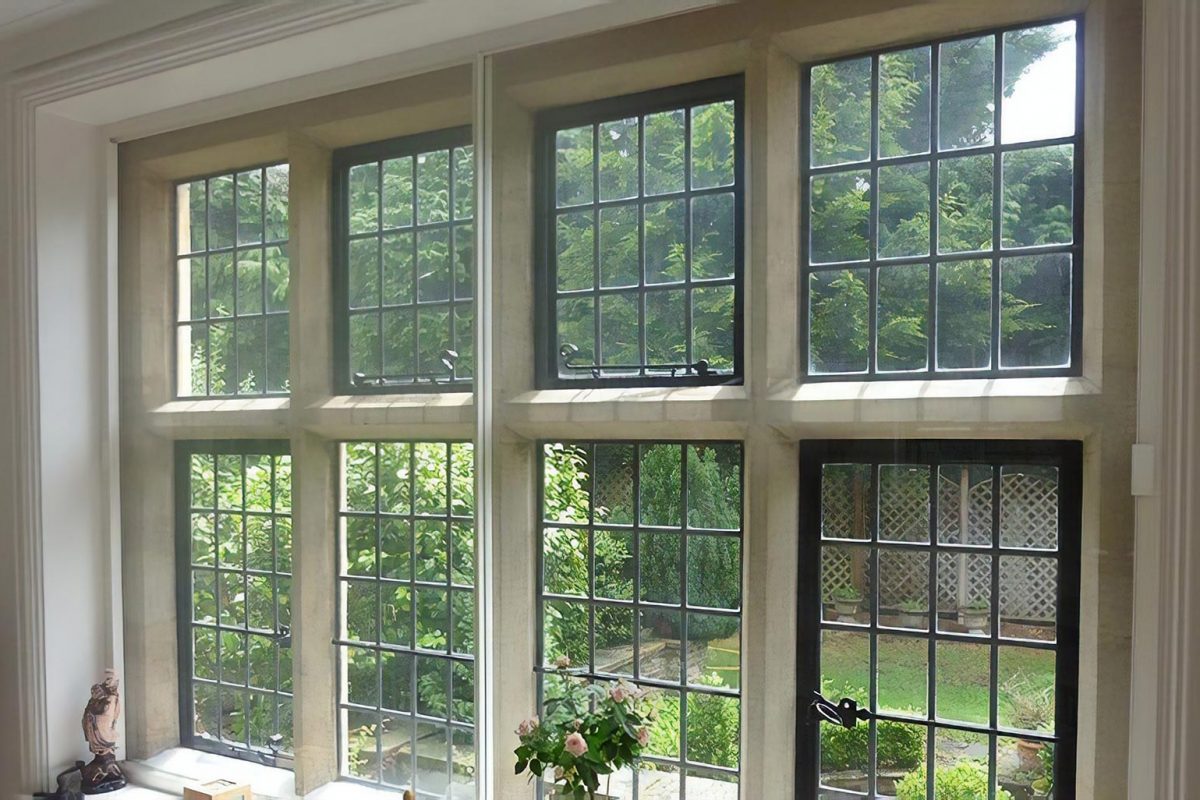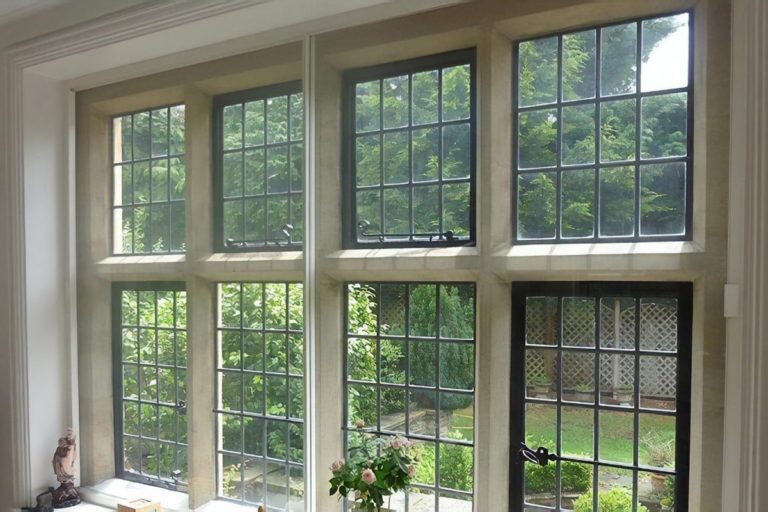
Reading Trade Windows supply the finest secondary glazing in the Berkshire region. We provide this supply service to installers and homeowners and are able to complete fittings for the latter. Secondary glazing appeals to those who live in conservation areas, but potentially cannot afford or are not allowed entirely new windows.
It allows these potential customers to bring the performance of their period property into the 21st century, without losing any of the classical charm. However, it is also popular with those in more modern properties, with homeowners simply looking to further enhance thermal performance. It makes for an excellent addition to any product range or home.

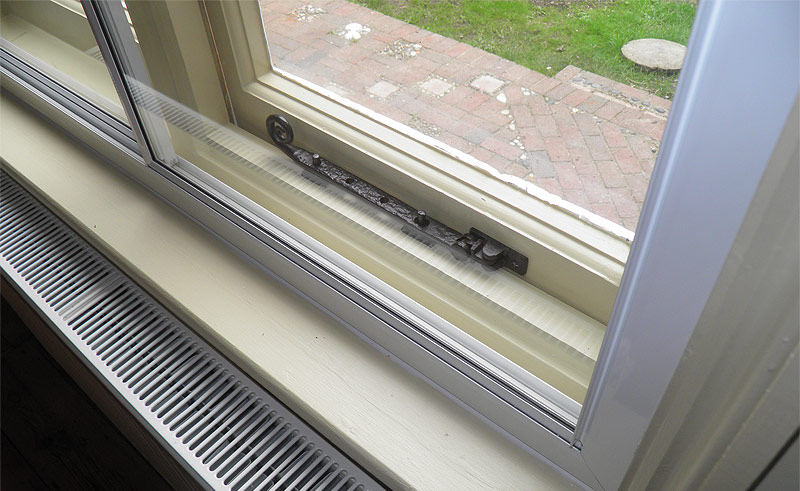
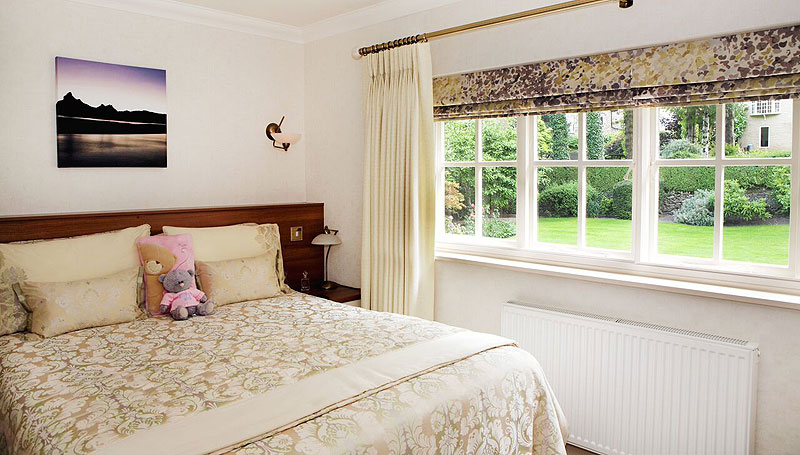
Get in touch with us if you have any questions about our trade supply or installation services.
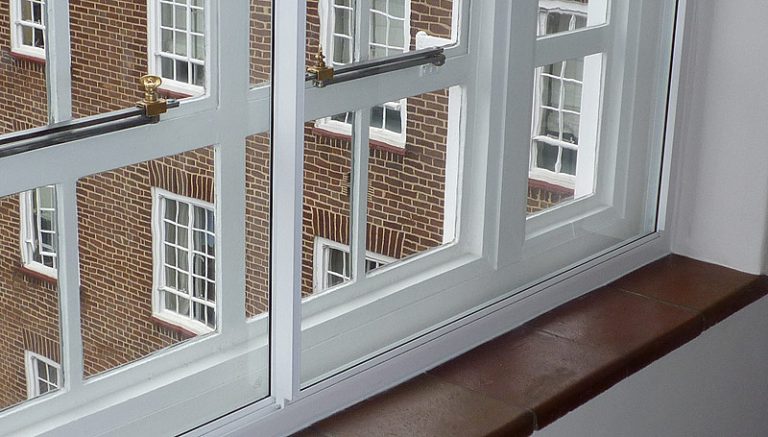
Secondary glazing involves installing an additional pane of glass on the inside of your existing window. This creates an insulating barrier that helps improve thermal efficiency, reduce outside noise, and minimise draughts, all without replacing your original windows.
Secondary glazing can offer many of the same benefits as double glazing, especially in terms of insulation and noise reduction. While it may not always match the thermal performance of brand-new double glazed units, it is an excellent alternative for listed buildings, conservation areas, or properties where replacing the original windows is not practical.
Yes, secondary glazing is highly effective at reducing external noise. By adding an extra layer of glass and creating an air gap between panes, it helps block sound transmission, making it ideal for homes near busy roads, airports, or noisy urban areas.
Yes, secondary glazing is often the preferred solution for listed buildings and properties in conservation areas because it improves insulation and comfort while preserving the original external appearance of the windows. This makes it a practical way to upgrade performance without affecting the building’s character.
Yes, secondary glazing improves insulation by reducing heat loss through existing windows. This helps keep your home warmer in winter, reduces reliance on heating, and can lead to lower energy bills over time.