Are Composite Doors Better Than uPVC Doors? A Complete Comparison
When it comes to choosing new doors for homeowners, the material is one of the most crucial decisions you’ll have to make. This choice not only impacts the aesthetics of your property but also its security, insulation, and overall value. Two popular options in today’s market are composite doors and uPVC (Unplasticised Polyvinyl Chloride) doors.
Here at Reading Trade Windows, we understand how important it is for homeowners to make informed decisions, so we’ve compiled a detailed comparison to help you decide which door type might be better suited to your needs.
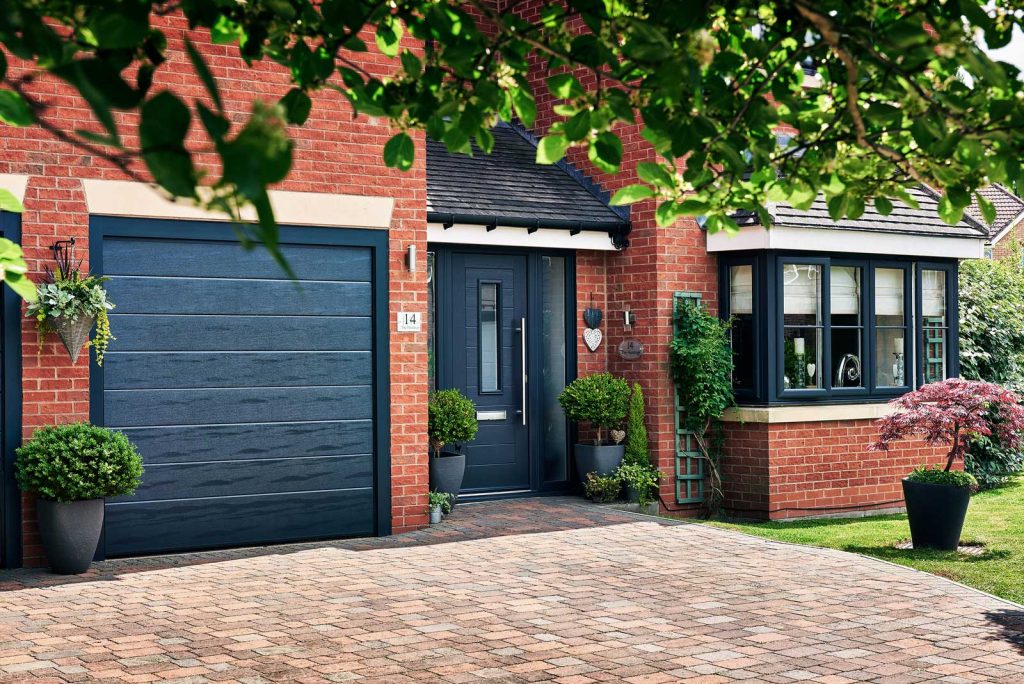
Composite Doors vs uPVC Doors: Comparison
Choosing between composite and uPVC doors affects your home’s security, insulation, appearance and long-term value. This comparison table highlights the key differences to help homeowners make an informed decision.
| Feature | Composite Doors | uPVC Doors |
|---|---|---|
| Durability & Security | Multi-material construction delivers excellent strength, weather resistance and high security. | Durable plastic build with multi-point locking, but more vulnerable to long-term wear. |
| Energy Efficiency | Superior insulation helps retain heat and lower energy costs. | Good insulation performance, though less thermally efficient than composite. |
| Appearance | Premium timber-style finish with wide colour and design options. | Modern finishes available, but can appear more plastic in look. |
| Maintenance | Low maintenance with occasional cleaning to preserve appearance. | Very low maintenance and easy to clean. |
| Cost | Higher upfront investment for long-term performance and value. | More budget-friendly initial cost. |
Durability and Security
Composite doors are known for their durability. They are made from a combination of materials, including PVC, wood, insulating foam, and GRP (glass reinforced plastic). This blend ensures that the door is extremely sturdy and resistant to weather changes and ageing. Moreover, composite doors are not prone to warping or twisting, which shores up their durability quotient. They also offer superior security due to their robust structure and the integration of advanced locking mechanisms.
uPVC doors, on the other hand, are mainly made from plastic, and though they are strong and durable, they can be susceptible to damage over time from UV rays and can sometimes warp in extreme temperatures. Security-wise, uPVC doors are generally fitted with multi-point locking systems, but they may still be perceived as less secure compared to their composite counterparts due to their primarily plastic composition.
Energy Efficiency
Energy efficiency is where both types of doors perform exceptionally. Composite doors are excellent insulators. The materials used in their manufacture give them a higher thermal resistance, commonly known as a lower U-value. This means they are particularly good at keeping the heat in and the cold out, which can help you save on your energy bills.
uPVC doors also offer good insulation properties and can be equipped with glass that has the same energy-efficient qualities. However, the single-material build cannot match the thermal resistance provided by the mix of materials in a composite door.
Aesthetics and Design
Composite doors excel in aesthetics with a high-quality, timber-like appearance that can be customised with a variety of colours and finishes. They can accommodate modern and traditional designs, making them a versatile choice for many homeowners. Whether you want a door that makes a statement or one that fits seamlessly with your home’s existing style, composite doors provide the flexibility needed.
uPVC doors have also come a long way in design, and today, they are available in different finishes and colours. Nevertheless, they do not quite match the premium look and feel of composite doors. uPVC can often still appear distinctly plastic and may not complement the aesthetic of homes that benefit from more traditional or luxurious looks.
Maintenance
One of the biggest benefits of uPVC doors is their low maintenance. They need no painting or sealing and can be cleansed easily using basic household cleaners. They are also resistant to rot, flaking, rust, and corrosion.
Composite doors are very low maintenance as well – they are designed to look good for years without the need for painting, and like uPVC, they are easy to care for. However, they may require a little more attention than uPVC doors to maintain their appearance over a long period.
Cost
uPVC doors generally tend to be more cost-effective than composite doors due to the materials used and the simpler manufacturing process. This makes uPVC doors a good option for homeowners on a budget.
Composite doors, while generally more expensive, justify their price with superior durability, security, and energy efficiency. They are an investment that could increase the value of your property.
Upgrade Your Doors with Reading Trade Windows
Both uPVC and composite doors have their strengths, making them viable options depending on your specific needs. For those prioritising security, aesthetic flexibility, and energy efficiency, composite doors may be the way to go. On the other hand, if cost and minimal maintenance are your key concerns, uPVC doors might suit you better.
If you’re considering upgrading your doors and need further advice tailored to your home’s requirements, get in touch with our team here at Reading Trade Windows. Let our experts help you make the best choice to enhance your home. Get a quote and learn more about how we can transform your home.
Categories: News
Tags: comparison, composite doors, trade, uPVC doors

About Steve
Steve has been with Reading Trade Windows for many years and has worked in the fenestration industry for even longer. His experience makes him a valuable asset to the team, and he is always happy to show his news, views and advice here on our blog.